Cerebellar Cognition and Learning (CerCL) Lab
HOME / Developing Brain Institute
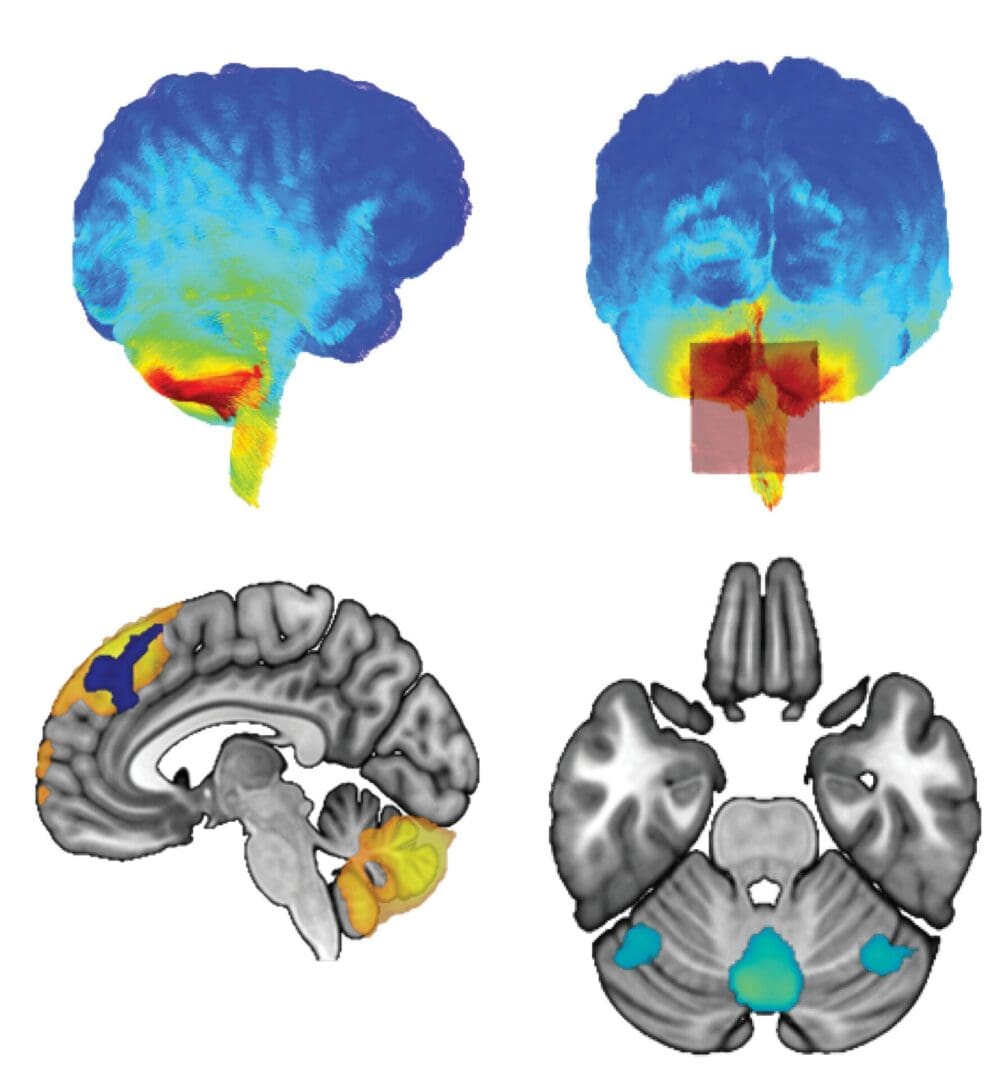
The Cerebellar Cognition and Learning (CerCL) Lab investigates the role of the human cerebellum in cognition and cognitive development. Traditionally, the cerebellum has been considered solely a motor structure, but anatomical, clinical and neuroimaging data have advanced our knowledge of human cerebellar function. CerCL studies the functional layout of the cerebellum, the type of processing that it performs, and the impact of cerebellar dysfunction in clinical and developmental conditions. We use multiple methods, including neuroimaging, neuromodulation, lesion-symptom mapping and behavioral studies. Our ultimate goal is to understand the contribution of the cerebellum to cognition in both typical development and in clinical and developmental conditions, and to translate this knowledge into clinical and educational applications.
Lab Focus Areas
Cerebellar Neural Circuits and Behavior
Autism Spectrum Disorders
Brain Injury, Recovery and Prevention
Funded Research: Transcranial Direct Current Stimulation
Transcranial direct current stimulation (tDCS) has clear translational potential for a wide range of clinical conditions, from post-stroke recovery to psychiatric and neurodevelopmental conditions. TDCS is a portable and relatively inexpensive form of neuromodulation, with an outstanding safety profile. However, the mechanisms underlying the effects of tDCS on brain and behavior have yet to be clarified, and relatively few studies acquire neuroimaging data during and/or after tDCS administration.
Read more(opens in new tab)