



OUR LONG-TERM GOAL
Our research team pioneers innovations to better understand signals of well-being and distress the fetus sends from the womb. This includes genetic/epigenetic techniques, leading-edge fetal imaging and electrophysiology to improve monitoring of high-risk pregnancies and to open earlier windows of therapeutic opportunity. All interested volunteers will be considered without regard to race, color, religion, national origin, marital status, sexual orientation, disability, military/veteran status or any other characteristic protected by applicable law.
CURRENTLY RECRUITING

An increasing number of babies are diagnosed with heart disease while they’re in the womb. Our goal is for these fragile newborns to not only survive, but to thrive. This study aims to detect, prevent or lessen complications of congenital heart disease by identifying the earliest and most reliable biomarkers of altered fetal brain development.

Depression is common among new moms, and antidepressant medication is often prescribed with the aim of effectively treating perinatal mental health disorders and lowering overall risk. The FABMOMS study will help us better understand how to treat pregnant women who are depressed and provide optimal benefit to mother and child.

The Developing Brain Institute team needs your help to make our diagnostic magnetic resonance images (MRI) even better. We’re seeking two types of volunteers – adults who are not pregnant and babies – to participate in MRI imaging sessions at Children’s National Hospital aimed at optimizing image acquisition. In addition to our gratitude, volunteers will receive $50 to $100 in remuneration.

We are studying whether a prenatal maternal Cognitive Behavioral Therapy (CBT) intervention helps to improve maternal and infant outcomes for pregnant women carrying fetuses diagnosed with congenital heart disease.

In nature, mother’s own milk evolves to meet the growing baby’s needs. Project THRIVE does nature one better, adding new innovations to optimize nutrition for the tiniest newborns admitted to the neonatal intensive care unit at Children’s National Hospital.

Indigenous Mayan women in Guatemala are at increased risk for perinatal mood and anxiety disorders. Healthy Thoughts (Pensamiento Saludable) is based around the cultural idiom of distress, Qajnaq ruchojq'aq. It launches the pilot, Utz laj ch’ob’oneem, within a community health center serving Tz’utujil families in San Juan and San Pablo La Laguna, Guatemala.

The health of the placenta is vital since it provides the growing baby with oxygen and nutrients; produces hormones that boost the baby’s growth; and helps to protect it after childbirth by passing immunity from mom to baby. This study focuses on maternal mental health during pregnancy and its impact on placental and fetal development.

Many infants spend up to 20 hours a day sleeping, as their bodies and brains continue their essential growth. Infants born preterm face added challenges as they leave the warm, dark, quiet womb earlier than expected. The goal of PRO-SLEEP is to understand how sleep and brain development in the tiniest babies can be supported by sleep-friendly NICU care.
Read more

PLAYMATES is a special program designed to help you and your little one connect more deeply while making caregiving easier and more enjoyable. Our goal is to help you strengthen your relationship with your baby and to promote positive outcomes for both of you.
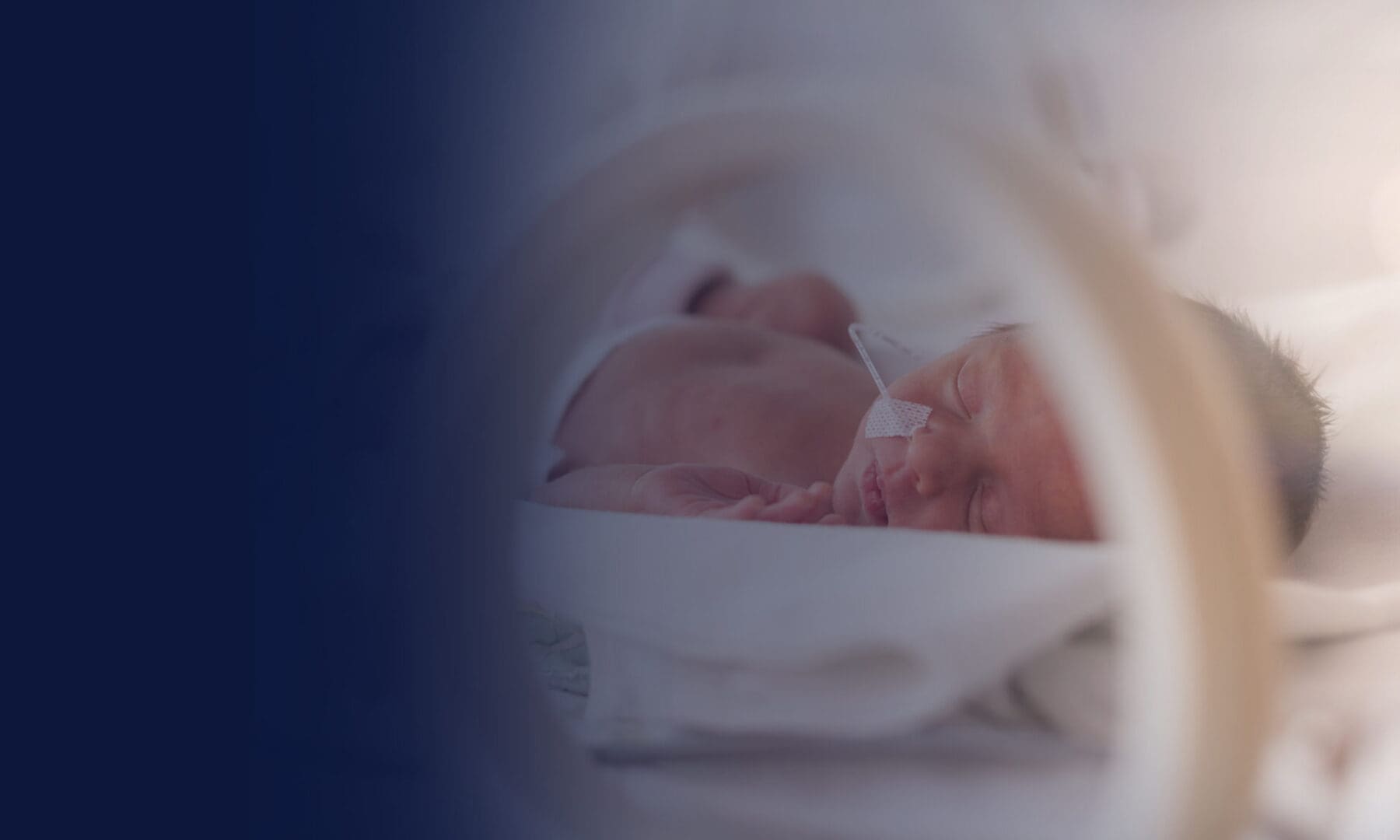
In Project PROTECT, we use cutting-edge imaging to monitor early brain development to pick up early signs if it veers off track.

The placenta is essential for providing nutrition and oxygen to the developing baby, but there is still more to learn about this vital organ. PRIME ART uses state-of-the art, safe and effective magnetic resonance imaging to keep tabs on placenta health throughout pregnancy.
Read more

The SCOPE Study aims to better understand how being born preterm impacts children’s development later in life.
Read more