The Placenta, Exosome (PLEx) & Nanoparticle Laboratory
HOME / Developing Brain Institute
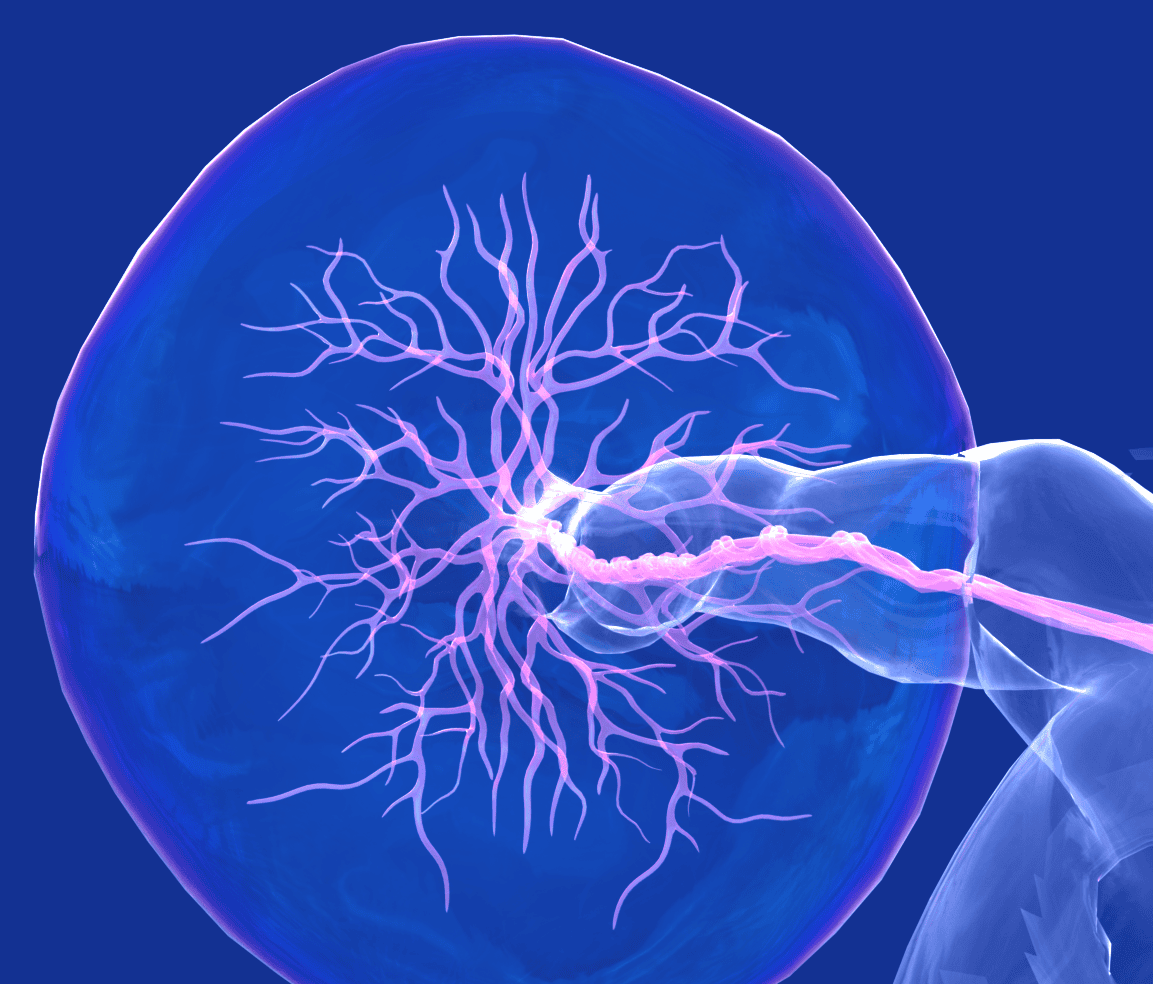
The PLEx Nano Lab, led by Yingshi Ouyang, Ph.D., centers on the biology of the human placenta and the role of placental small extracellular vesicles in the maternal-placental-fetal ecosystem. The placenta is a vital organ shared by the mother and fetus during pregnancy. The placenta’s outer layer comprises specialized cells called syncytiotrophoblasts. These multinuclear cells directly contact maternal blood and are critical for optimal placental function by supporting fetal growth and development.
Lab Focus Area

Trophoblast Function
Lorem ipsum dolor sit amet, consectetur adipiscing elit.
Placental Exosomes
Lorem ipsum dolor sit amet, consectetur adipiscing elit.

Prenatal Opioid Exposure
Lorem ipsum dolor sit amet, consectetur adipiscing elit.
Our Research
Syncytiotrophoblasts are generated by subjacent mononuclear trophoblast stem cells and progenitor cytotrophoblasts through differentiation and fusion pathways. Disruption of this fundamental process can lead to major obstetrical diseases. Notably, as pregnancy advances, the syncytiotrophoblast layer produces extracellular vesicles - including nanosized exosomes. The PLEx Nano Lab is funded by an National Institutes of Health R01 Award through the Helping to End Addiction Long-term (HEAL) Initiative.